
FORECASTING
DECISION INTELLIGENCE
Most planning numbers cannot survive a hard question. Where did this come from? What is it assuming? What happens if that assumption is wrong? We build forecasts that answer all three - on your own history, your own constraints, with the assumptions written down.
WHO THIS IS FOR
Operations, supply chain, finance and commercial leaders who have to commit to a number — what to buy, what to build, how many people to hire, what to tell the board — and are working from a spreadsheet trend, a vendor’s black box, or last year plus ten percent.
It is a good fit if at least one of these is true:
Your forecast and your actuals have been diverging and nobody can explain why.
Planning is one person’s judgement, and that person is irreplaceable.
Demand has stopped behaving the way it used to, and the old method has not caught up.
You have a forecast from a system, but no one can tell you what it assumes.
You need to defend a number to a board, a lender or a parent company.
If you are not sure whether your report qualifies, it almost certainly does. Bring it to the call.
STEP 1. THE FORECAST REVIEW
No forecast at all? The review is shorter, and we go straight to the build
A fixed-scope review of the forecast you already use—or of the number you plan against today, whether that is a budget, a spreadsheet trend, or judgement.
We start from your history—sales, orders, supplier data, whatever drives your demand—not from a template.
We measure how your current forecast has actually performed against actuals, period by period.
We write down every assumption the number rests on and review them with your key stakeholders. All of them are open to challenge. A forecast nobody can argue with is not a forecast; it is a guess with a chart.
You get a written assessment: what the forecast assumes, how it has performed, which variables matter most, and whether the method needs replacing.
STEP 2 . THE FORECAST BUILD
A forecast built around your business. If the review says the method needs replacing, we build it—scoped on what the review found, from a 12-week outlook to a five-year plan, on your own history and the drivers that actually move your demand.
What's built in:
Automation—Runs on a schedule on your own data and updates as new data arrives. No manual refresh, no analyst rebuilding the spreadsheet each month.
Integration—Built on your sales, orders, and supplier data, with the external drivers that matter: seasonality, pricing, and market indicators.
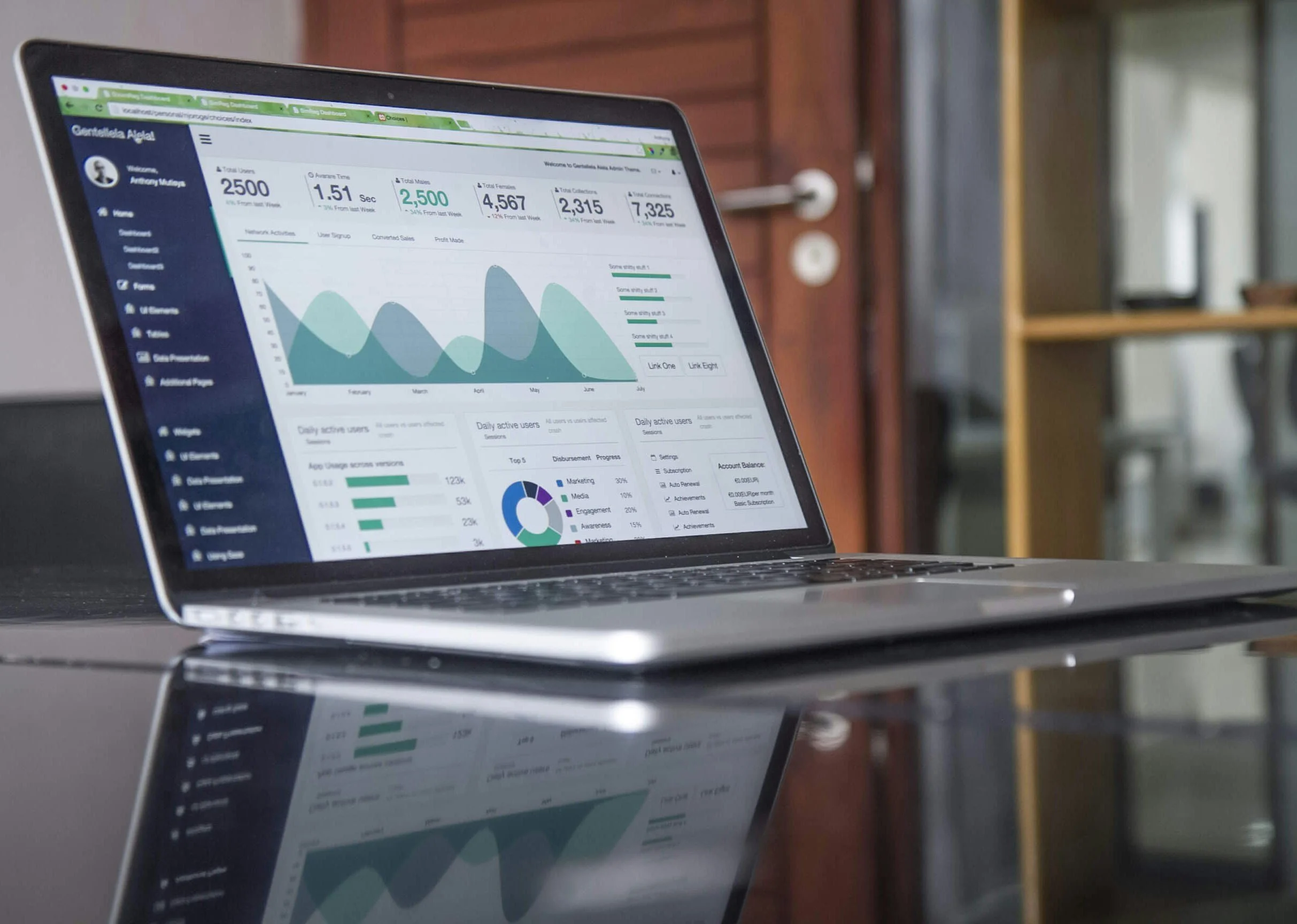
Visualization—See how each driver moves the forecast over time. Compare forecasts to actuals by product, region, or channel and pinpoint the gaps.
Scenarios—Change an assumption and see what changes. Test a price move, a lost customer, or a new line before you commit.
SAMPLE FORECAST BUILD
Why Ainfore?
Forecasting designed for decision-makers, not just analysts
Forecasting for the people who have to decide, not just the people who analyze.
Ainfore is led by Luisa Ferreira. She spent twelve years building the traffic forecasts at Toronto Pearson — passengers, flights, seats, and cargo—the numbers the airport planned capacity and investment against. She has published research on forecasting methods and went on to lead data science delivery at Circana, where forecasting models ran in production for some of the largest consumer brands in North America.
A forecast is only useful if you can explain it.
Start with the forecast you are already using.
You do not need a new system to find out whether your current number is any good. Bring what you have and we will tell you how it has really performed.